
Understanding how dk380c4.0-h8 model size influences your setup is crucial for both productivity and visual comfort. This specific display model, often used in professional and gaming environments, has unique dimensional characteristics that affect everything from desk space requirements to ergonomic positioning. Whether you’re upgrading your workstation or troubleshooting compatibility issues, grasping the nuances of its physical footprint ensures you maximize functionality without compromising on performance. In this guide, we break down the exact measurements, practical implications, and expert tips to help you leverage the DK380C4.0-H8 to its fullest potential. Misjudging model size can lead to costly setup errors, so precision matters—especially when integrating multiple displays or specialized hardware.
What Defines the DK380C4.0-H8 Model Size?
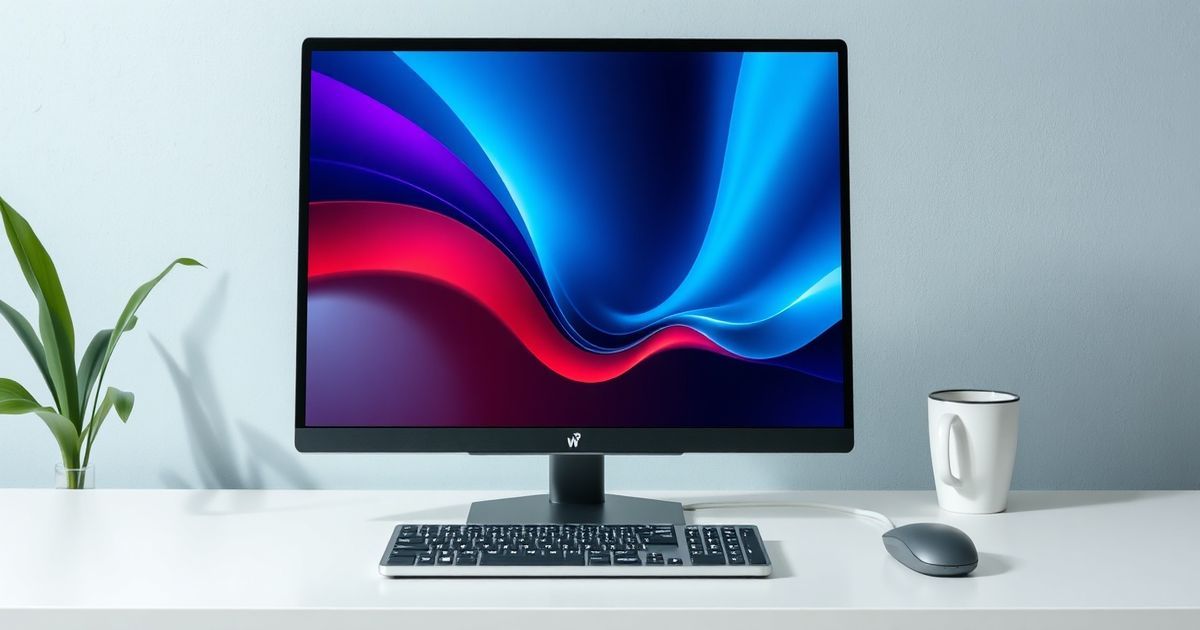
The how dk380c4.0-h8 model size refers to the precise physical dimensions of this 38-inch curved ultrawide monitor, including its width, height, depth, and curvature radius. Unlike standard displays, the DK380C4.0-H8 features a 1800R curvature and a 21:9 aspect ratio, resulting in a total width of approximately 840mm (33.1 inches) and a height of 365mm (14.4 inches) without the stand. The depth measures 120mm (4.7 inches), making it relatively slim for its size class. These specifications are critical for users planning multi-monitor arrays or confined workspaces, as even minor miscalculations can disrupt alignment. According to Wikipedia, ultrawide monitors like this prioritize immersive viewing but demand careful spatial planning. Always verify dimensions with the manufacturer, as variations can occur between production batches.
Why Model Size Matters for Performance and Compatibility
Ignoring the how dk380c4.0-h8 model size can lead to frustrating compatibility issues. Here’s why these measurements are non-negotiable:
- Ergonomics: A 38-inch screen requires optimal viewing distance (ideally 24–36 inches) to prevent neck strain. Incorrect placement due to size misjudgment causes long-term discomfort.
- Desk Space: The monitor’s 840mm width needs a sturdy desk (minimum 900mm depth) to accommodate its curvature and avoid overhang.
- Multi-Display Setups: When pairing with other screens, size mismatches create visual discontinuities, disrupting workflow efficiency.
- Mounting Solutions: VESA compatibility (100x100mm) is standard, but the monitor’s weight (12.5kg) demands heavy-duty arms rated for ultrawide models.
Failing to account for these factors often results in returns or costly adjustments. For tailored advice on workspace optimization, explore our detailed specs guide.
How DK380C4.0-H8 Model Size Compares to Industry Standards
When evaluating how dk380c4.0-h8 model size stacks up against competitors, key differentiators emerge. Most 38-inch ultrawides average 820–860mm in width, but the DK380C4.0-H8’s 840mm measurement places it in the mid-range—ideal for users seeking balance between immersion and practicality. Its 1800R curvature is shallower than older 1500R models, reducing distortion at the edges while maintaining a wrap-around feel. Compared to flat 34-inch displays (typically 790mm wide), the DK380C4.0-H8 offers 15% more horizontal screen real estate without significantly increasing desk footprint. However, its height (365mm) exceeds many 32-inch models, which may necessitate monitor risers for eye-level alignment. Google’s display ergonomics research emphasizes that curvature and size directly impact perceived resolution and user fatigue, making precise measurements essential for professional use.
Step-by-Step Guide to Measuring Your Display Correctly
Accurately assessing how dk380c4.0-h8 model size prevents setup mishaps. Follow these steps:
- Measure width: Use a tape measure from the leftmost to rightmost edge of the screen (excluding bezels). Record in millimeters for precision.
- Check height: Measure from the top bezel to the bottom, including any curvature-induced variations.
- Verify depth: Measure from the front glass to the rear casing at the thickest point (usually near ports).
- Confirm curvature: Use a flexible ruler to trace the screen’s arc; a 1800R radius means the curve subtends 1 meter at its focal point.
- Account for stands: Add 50–70mm to height measurements if using the included ergonomic stand.
Always cross-reference your findings with the manufacturer’s spec sheet, as third-party measurements can vary.
Frequently Asked Questions About DK380C4.0-H8 Model Size
Q: Can the DK380C4.0-H8 fit on a standard 60cm desk?
A: No—its 840mm width exceeds typical desk depths. Opt for desks ≥85cm wide or use a monitor arm to extend over the edge.
Q: Does model size affect resolution?
A: Indirectly. The 3800 x 1600 resolution scales perfectly across its 38-inch surface, but undersizing your workspace may force zoom adjustments, reducing effective pixel density.
Q: Is the size compatible with gaming consoles?
A: Yes, but HDMI 2.0 limitations may cap refresh rates at 60Hz for 4K content. Prioritize DisplayPort for full 144Hz performance.
For troubleshooting advanced setup challenges, visit our setup tutorials. Remember, the how dk380c4.0-h8 model size isn’t just a number—it’s the foundation of your visual experience. By prioritizing accurate measurements and ergonomic alignment, you transform potential constraints into productivity powerhouses. Whether for gaming, design, or multitasking, this model’s thoughtful dimensions deliver unmatched immersion when configured correctly. Never underestimate the impact of size; it’s the silent architect of your daily digital interactions.








Leave a Reply